
Quantum computing sounds like magic from a sci-fi movie, but it is real science happening in labs right now. Regular computers think in simple yes or no steps, while these new machines think in many ways at the same time. You might wonder why big tech companies spend billions on them, and the answer is pure speed.
Here is the short answer. Quantum computers use physics rules from the tiny world of atoms to solve huge math problems in seconds instead of years. They do not replace your phone or your laptop. Instead, they sit in cold labs to help scientists build better medicines and predict the weather.
How Regular Computers Think
Your phone works with bits. A bit is just a switch that is either off or on, like a light bulb. Programmers write long codes using zeros and ones to make apps work. Every photo you take and every game you play comes from millions of these simple switches flipping very fast.
Think about walking through a simple maze. A normal computer tries the left path, hits a dead end, backs up, and tries the right path. It checks every single dead end one by one. This works fine for browsing the web or streaming a video, but it takes too long for harder problems.
Take the postal service as a real example. A delivery truck has to visit fifty different towns in one day. A normal computer checks millions of route combos to find the shortest one, and it might take a week to finish the math. By then, the truck has already missed its shift.
Meet the Qubit
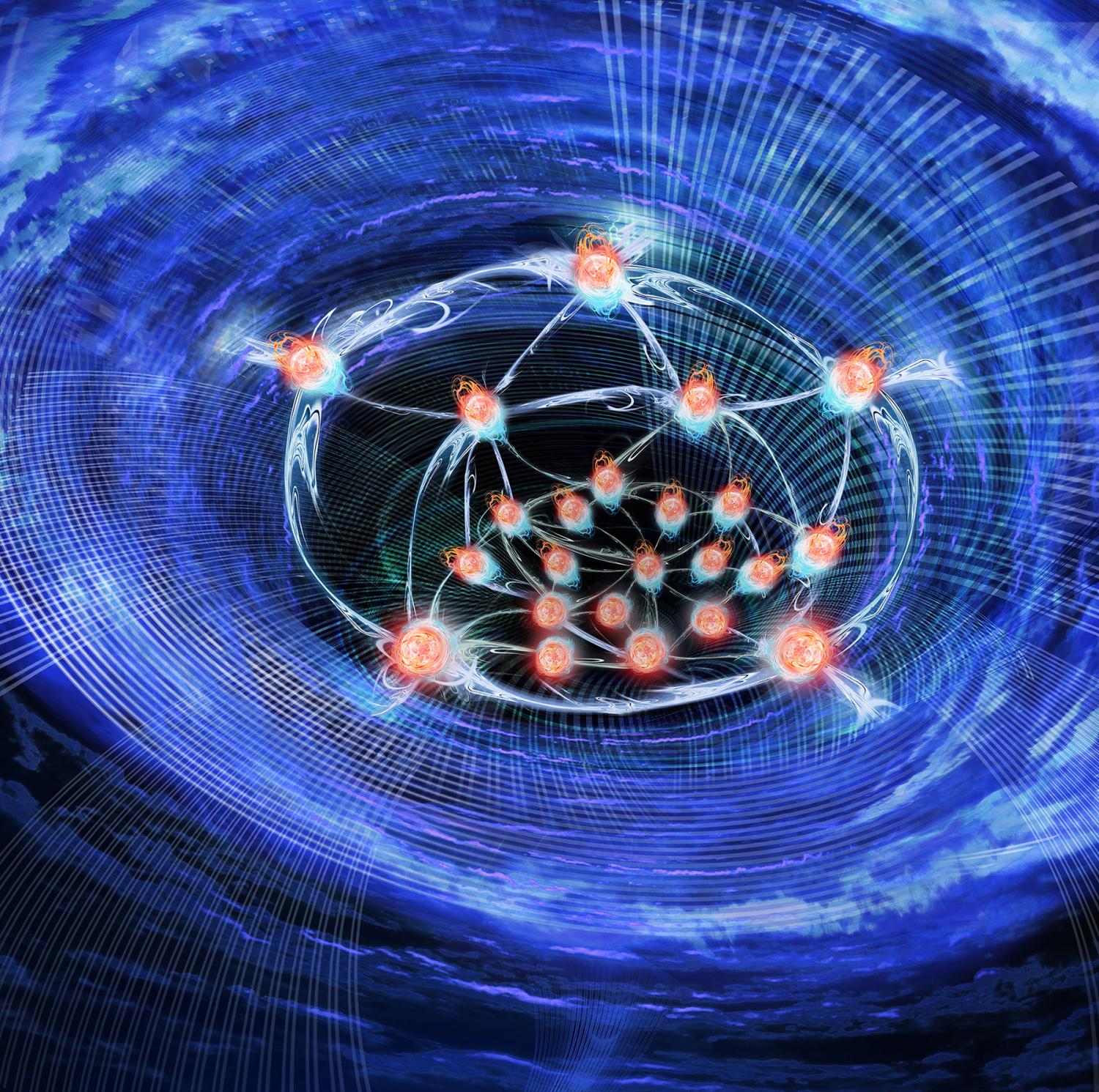
Quantum computers use qubits instead of normal bits. A qubit can be off, on, or both at the same time. This strange rule comes from quantum physics, where tiny particles break normal rules. Scientists call this superpower superposition, which just means being in many states at once.
Going back to our maze, a quantum computer walks down every single path in the maze at the exact same time. It does not wait to hit a dead end. It tests all possible routes in one single step and shows you the right answer right away.
Google built a famous quantum machine back in 2019. Their machine solved a math problem in two hundred seconds. They said a normal supercomputer would need ten thousand years to do the same work. That speed gap shows why this tech matters so much.
Why Scientists Need So Much Cold
Building these machines is hard because qubits are very sensitive. They hate heat and noise from the outside world. If a stray radio wave hits a qubit, it forgets its answer and the whole math problem breaks down.
Labs keep these chips inside giant fridges that are colder than deep space. IBM puts their quantum chips in shiny metal cylinders that hang from the ceiling. These fridges cost millions of dollars to run and need liquid helium to stay cold.
Most people will never touch one of these cold machines. You can rent time on a quantum computer through the cloud today, but you need a PhD in math to write the code. Companies like IBM and Amazon let students run tests on their quantum chips over the internet.
How Quantum Computers Will Change Medicine
Doctors spend ten years making a new pill because they have to test thousands of chemical combos by hand. Every molecule has atoms that spin and bond in complex ways. Normal computers guess how drugs will react in the body, but they often get it wrong.
Quantum machines understand chemistry at the atomic level. They can simulate a new cancer drug in minutes. They test how the drug fits into a human cell without hurting anyone. This means we could get cures for rare diseases much faster than before.
Picture a factory making new battery materials for electric cars. Right now, engineers mix metals and hope the battery holds a charge for a long time. A quantum computer can design a perfect battery molecule on a screen before anyone buys a single piece of metal.
When Will Quantum Computers Affect You?
You might worry that your online bank account is not safe anymore. Hackers could use a fast quantum computer to crack secret passwords in seconds. Banks know this risk, and security experts are already building new code to stop quantum hackers before they start.
Tech giants are racing to fix the errors that happen inside these fragile machines. Right now, qubits make too many mistakes during big math tasks. Scientists are building error-correcting codes to make the math reliable.
Do you need to learn quantum physics to keep your job? Probably not for a long time. This is a tool for big labs, hospitals, and shipping firms. It will run quietly in the background to make the world work better.
What Should You Do Next?
You do not need to buy any new gadgets or change how you use the web. Quantum tech stays in the lab for now, but keeping an eye on it is fun. Here are three simple ways to learn more about this topic this week:
- Watch a short video online about how atoms work in superposition to get a visual idea of the science.
- Read a beginner book or article by a science writer who avoids heavy math words.
- Try a free online puzzle game that teaches basic logic gates to see how computers solve problems.
Technology keeps moving forward, and strange ideas turn into real tools. Keep asking questions about how things work, and you will stay ahead of the curve.
Protecting Our Digital Secrets
Security teams look closely at how modern encryption works. Right now, banks and governments lock up your private messages using tough math puzzles that take regular computers ages to decode. A powerful quantum machine could crack those locks easily. To stop this threat, computer scientists are designing fresh security shields that even a quantum processor cannot break. These new rules will keep your online shopping and personal emails safe for decades to come.
The Global Race for Quantum Power
Governments and universities around the globe are spending billions of dollars to build better machines. Countries like the United States, China, and various European nations view this technology as a key part of future national success. Whoever builds the most stable and useful quantum computer first will lead the way in fields like artificial intelligence, space travel, and advanced manufacturing. This race pushes scientists to work faster and try bold new designs every single day.
Inside a Quantum Lab
Visiting a quantum research lab is nothing like walking into a normal office building. The rooms are spotless, quiet, and filled with humming cooling tanks. Engineers wear white coats and safety glasses while monitoring computer screens that track the health of fragile qubits. Working in this field requires patience because a single tiny mistake can ruin weeks of careful setup. Despite the high stress, the researchers share a deep excitement about shaping the next big chapter in human history.
- Engineers monitor temperature gauges to make sure the cooling tanks stay colder than outer space.
- Programmers write specialized instructions to guide qubits through complex paths without making mistakes.
- Technicians clean delicate parts with extreme care to keep dust away from the microscopic chips.
How Weather Forecasts Will Improve
Predicting severe weather storms requires tracking millions of moving parts in the atmosphere. Normal weather stations struggle to process all that data before the storm actually hits land. Quantum processors can handle massive environmental datasets instantly. This means meteorologists will get much clearer warnings days in advance, giving families more time to prepare for hurricanes, floods, and heavy snowstorms.
No comments:
Post a Comment